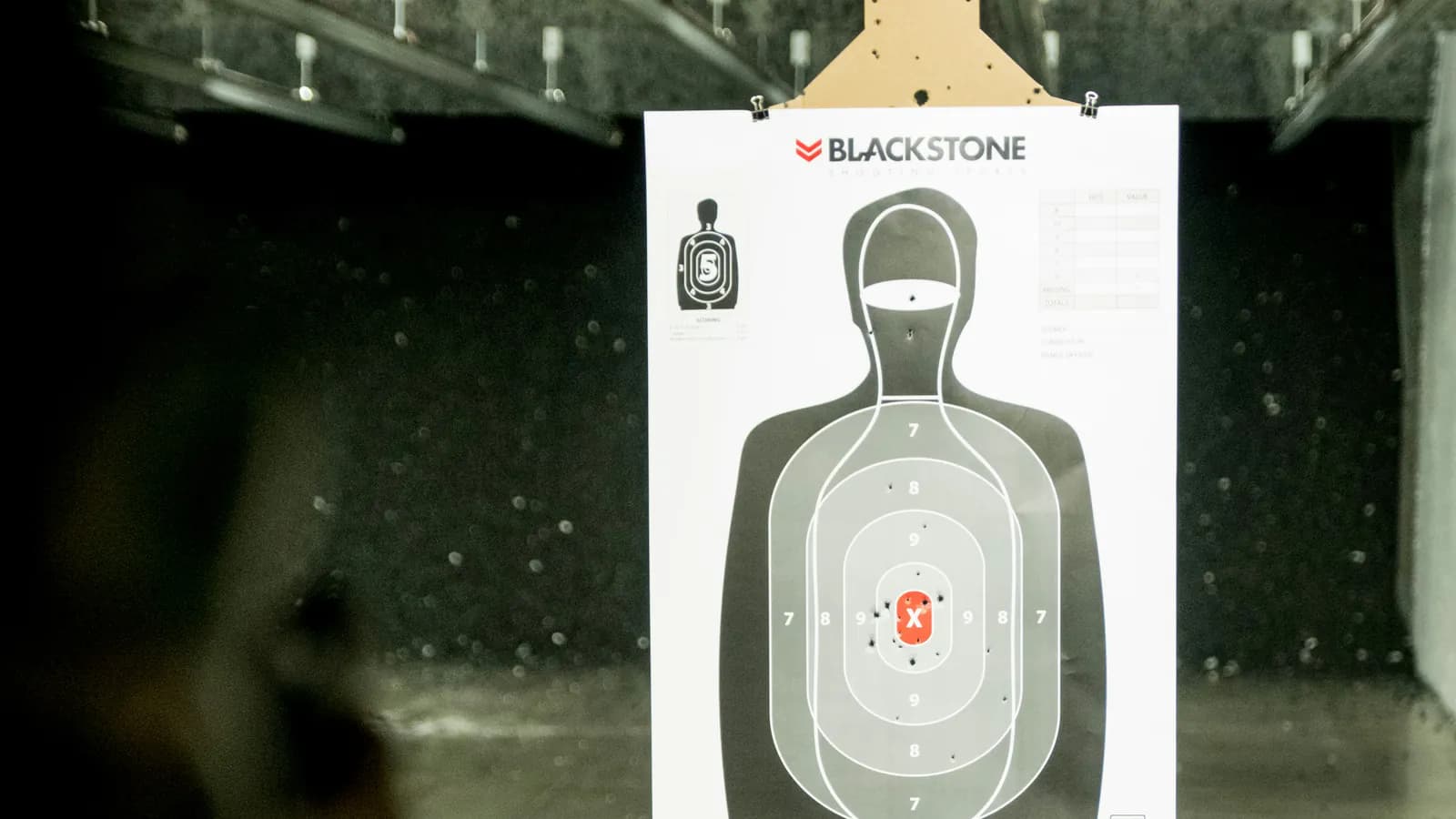
Zeroing
Zeroing Distances Explained: 10, 25, 36, 50, and 100 Yards
A reference on which zero distance to pick, for pistols and rifles. What each one is for, where the bullet crosses, who it suits, and how each one fails.
Read the article
Age verification
Outlaw Valley Tactical sells optics and accessories intended for adults. You must confirm that you are 18 or older to enter this site.
By entering you agree to our Terms of Service and Privacy Policy.
NEW PRODUCTS ADDED!
They are not two versions of the same tool. One amplifies the light that is already there, the other reads heat. Here is what each one is genuinely good at, and which one a first buyer should actually get.

The most common mistake in this category is treating night vision and thermal as two brands of the same product, one of which is better. They are not. They answer different questions. Night vision answers what is that. Thermal answers is anything out there. Buy the one that answers the wrong question and you will be disappointed no matter what you spent.
Here is the difference in plain terms, and the honest recommendation if this is your first purchase.
Night vision works by amplifying the light that is already there. In its classic form that means image intensification: the device gathers whatever light exists (starlight, moonlight, ambient glow from a town over the ridge), runs it through a photocathode and a microchannel plate, and hands you an amplified version of that same scene. You are looking at the real world, just brighter. Trees look like trees. A fence looks like a fence. Depth and texture survive, which is why you can walk, drive, and shoot with it.
The term also covers a second, cheaper family: digital night vision, which is a sensitive low light camera feeding a screen, usually with an infrared emitter to throw light the camera can see. It answers the same question as a tube (what is that) rather than the question thermal answers, which is why it belongs on this side of the comparison. It is not an intensifier tube and it does not perform like one. The section on generations below and the cost section at the end both come back to what that difference actually costs you.
Thermal does not care about light at all. It reads emitted infrared energy and paints a picture out of temperature differences. In total darkness, through smoke, through light brush, a warm body stands out against a cool background like a flare. But it is not a picture of the world. It is a picture of the heat in the world, and those are different things. That one distinction drives every tradeoff below.
The catch: night vision needs some light to amplify. On a heavily overcast, moonless night under thick canopy there may be almost nothing to work with, and the image degrades to noisy grain. That is what infrared illuminators exist for, and we will come back to them.

Night Vision
ATN X-Sight 5, 5-25x Ultra HD 4k+ Smart Day and Night Vision Hunting Rifle Scope
$709.99
The catch: identification. A thermal image at distance can be a warm blob with an ambiguous outline. Deciding what that blob is, and whether you are willing to act on it, is exactly where thermal is weakest and where people get into trouble.
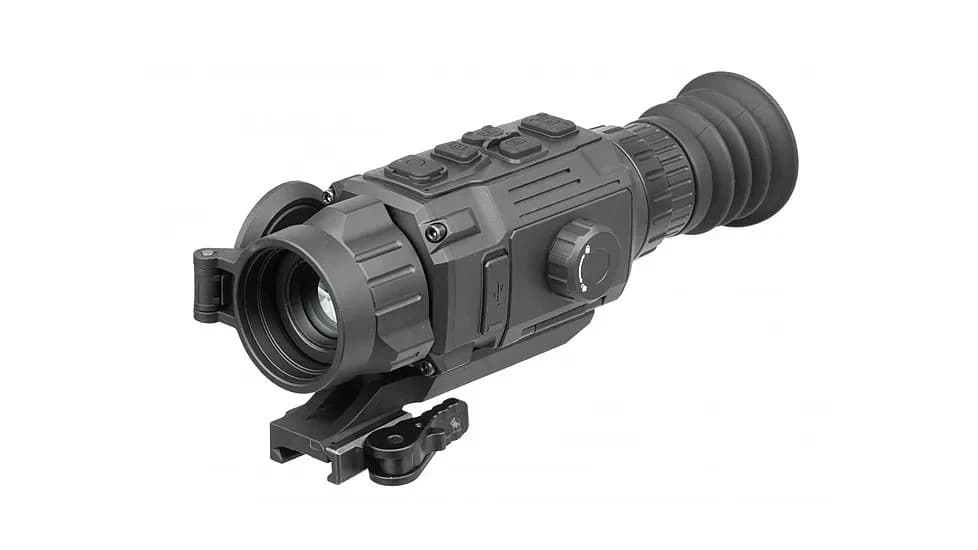
Thermal
AGM 25-256 Rattler V2 256×192 50Hz 25mm Thermal Riflescope – 314218550204R221
$989.49
Night vision gets sold by generation. Generation 2 and Generation 3 are the terms you will see most, with Gen 3 being the modern standard for serious use. But generation alone does not tell you what you are buying, because two Gen 3 tubes off the same production line can perform very differently.
The numbers worth understanding:
Reputable sellers publish the data sheet for the specific tube in the specific device, not just the generation. If nobody will show you the numbers for the unit you are buying, that tells you something. And if you ever get to look through two units side by side in a genuinely dark room, take it. Fifteen minutes of that beats a week of spec sheets.
Thermal has its own set of numbers, and the marketing tends to lead with the least useful one (magnification).
The form factor changes the job more than the technology does.
A lot of experienced users end up running a handheld thermal for detection alongside conventional optics and a good white light for identification and engagement. It is not the glamorous setup, but it solves the actual problem at a fraction of the cost.
An IR illuminator is a light source your eyes cannot see but a night vision device can. It is the fix for a night with no ambient light, and for looking into a garage, a treeline, or a doorway that the moon does not reach.
Two things to know. First, an illuminator makes you visible to anyone else running night vision, and it can wash out your own image in a tight space. Second, illuminators do nothing at all for thermal, because thermal does not use light. Adding light to the scene changes nothing the sensor sees.
This surprises people every time. Ordinary glass is effectively opaque to the long wave infrared that thermal sensors read. Point a thermal at a window and you get a mirror: a reflection of the heat on your side, not a view of the room behind it. The same goes for a windshield, a car window, and the lens of most conventional optics.
Night vision, by contrast, sees through glass fine, because it is working with visible and near infrared light. This one property decides a surprising number of real use cases, so file it away.
The short version
Thermal finds things. Night vision identifies them and lets you move. If the job is spotting what is out there in the dark, thermal wins. If the job is navigating, working, or knowing exactly what you are looking at, night vision wins. Neither one replaces the other.
Capable night vision and capable thermal both start well above what most people expect, and the gap between a device that frustrates you and a device you trust is wide.
Buy once. Buying cheap twice costs more than buying right once here, and the resale market for quality equipment is strong enough that a good unit holds value.
If you are buying your first device and you are not sure, get a handheld thermal monocular.
Three reasons:
The exception: if your genuine need is moving safely in the dark, driving a property line, or working with your hands at night, thermal will not do it and you should save toward night vision instead of buying a thermal you will outgrow immediately.
Have a look at what is on the shelf in night vision and thermal, and if your first move is a better conventional setup instead, start with optics. Choosing magnification and reticle for a daylight rifle is a related but separate decision, covered in how to choose a rifle scope.
Shooting well in the dark is a trained skill and a genuinely different one from shooting in daylight. Low light work, light discipline, and identifying before you decide anything are the sort of thing our lessons are built for, in person around Phoenix or live online.
Keep reading
A reference on which zero distance to pick, for pistols and rifles. What each one is for, where the bullet crosses, who it suits, and how each one fails.
Read the article
The questions to answer before you spend anything, how the paperwork actually works, what ships to your door versus to a dealer, and what to do in the first month after you buy.
Read the articleThe highest return training available costs nothing and takes ten minutes. Here is the safety protocol that has to come first, then the drills that actually build skill.
Read the article