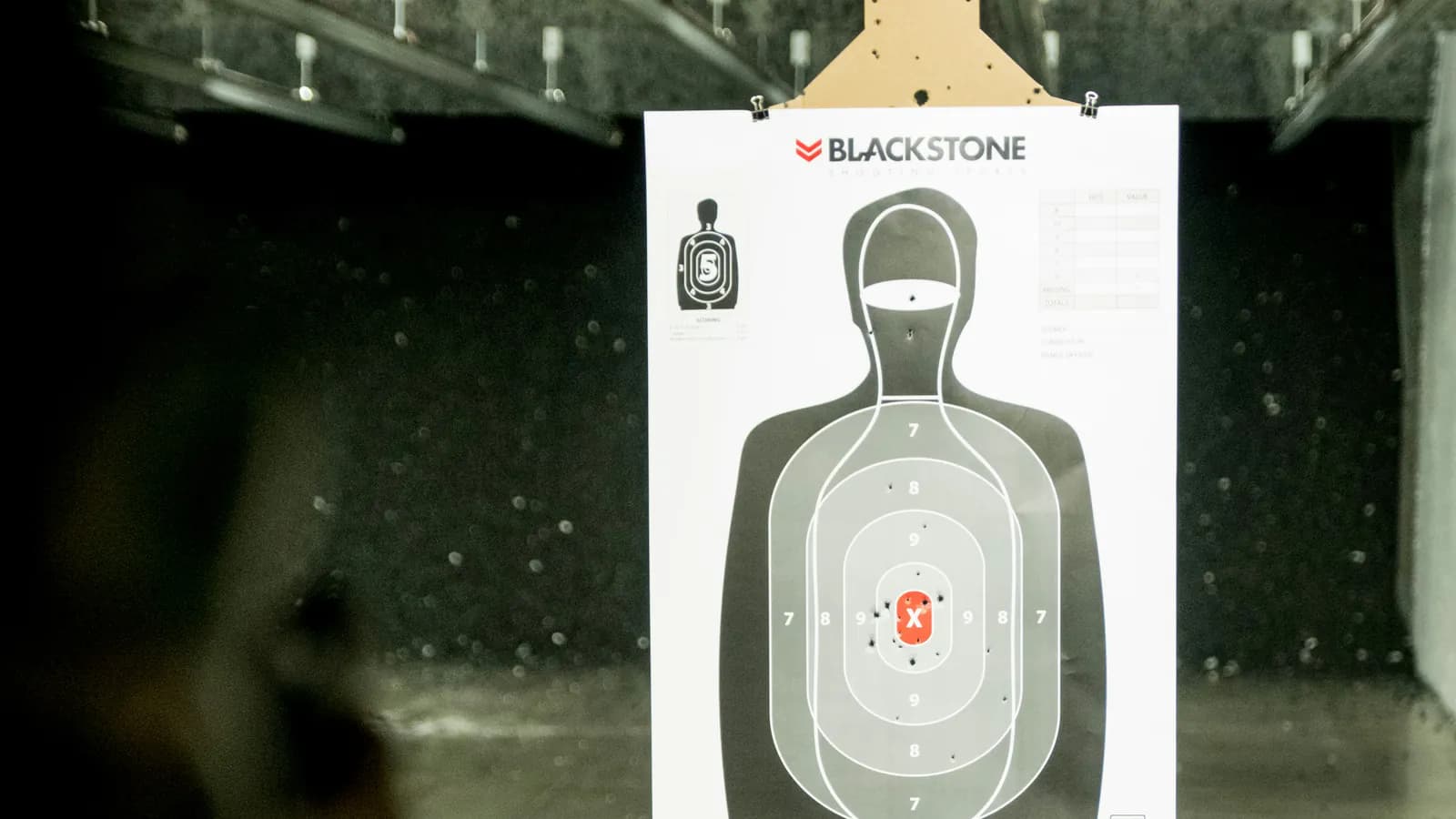
Zeroing
Zeroing Distances Explained: 10, 25, 36, 50, and 100 Yards
A reference on which zero distance to pick, for pistols and rifles. What each one is for, where the bullet crosses, who it suits, and how each one fails.
Read the article
Age verification
Outlaw Valley Tactical sells optics and accessories intended for adults. You must confirm that you are 18 or older to enter this site.
By entering you agree to our Terms of Service and Privacy Policy.
NEW PRODUCTS ADDED!
The highest return training available costs nothing and takes ten minutes. Here is the safety protocol that has to come first, then the drills that actually build skill.
Dry fire is the highest return training available to a shooter, and it is not close. It costs nothing, you can do it on a weeknight in ten minutes, and it isolates the fundamentals from the one thing that hides them: recoil.
That last point is the whole argument. In live fire, the gun moves the instant the shot breaks, so you cannot see what your hands did at the moment it mattered. In dry fire the sights either stay where they were or they do not, and there is no recoil to blame. Every flaw in your grip and trigger press is visible immediately.
It is also the only form of practice most people can do often enough to matter. But it demands a discipline live fire does not, because you are pointing a firearm inside your home. So the safety protocol comes first, before a single drill.
This is a procedure, not a suggestion, and it does not get shortened because you have done it a hundred times.
Almost every dry fire negligent discharge happens at the same moment: the end of the session. The shooter finishes, brings the ammunition back in, reloads the carry gun, holsters it, and then thinks of one more repetition. The gun is now loaded, and the last hundred repetitions taught their hands that pressing the trigger in this room is a normal thing to do.
This is why the spoken statement at the end matters more than the one at the beginning. Reloading is the end of the session, full stop. If you want more repetitions, you unload and verify and run the entire setup procedure again from the top. There is no such thing as one more repetition after the gun is loaded.
One more mechanical note before the drills: some firearms should not be dry fired without snap caps. Rimfire designs in particular, and some older centerfire actions, can damage the firing pin or the chamber without a cushion. Your manual is the authority on this, not a forum and not this article. Check it, and if in doubt, use snap caps anyway.
Do not run all of these in one session. Pick one or two, run them with full attention, and stop while you are still sharp.
Stand close to a blank section of wall that satisfies the backstop rule, close enough that the sights fill your view with nothing else to look at. Present, aim at nothing in particular, and press the trigger while watching only the front sight or the dot. With no target to distract you, the only thing you can see is whether the sights moved. It is the most boring drill on the list and the one that fixes the most.
On a small target, take a clean sight picture and press straight through until the shot breaks, then hold the trigger to the rear for a full second and watch what the sights did at the break. Reset deliberately. The goal is a press that the sights never notice. If the dot dips low left for a right handed shooter, you are anticipating or milking the grip, and now you know it.
From your normal carry position, with your normal cover garment. Clear the garment, establish a full firing grip while the gun is still in the holster, draw straight up, rotate toward the target, join the support hand, extend, and arrive at a sight picture. Then reverse it just as slowly.
Slow is not a warm up here. Slow is the drill. Speed comes from eliminating wasted movement, not from hurrying, and the only way to see wasted movement is to move slowly enough to watch it. If you are practicing from concealment, practice with the actual clothes you wear, not a t shirt.
With a dummy round or two in an otherwise empty magazine, run reloads until the sequence stops requiring thought: recognize the gun is empty, bring the fresh magazine up while the empty one drops, seat it firmly, release the slide, and return to a sight picture. Practice both the reload from slide lock and the reload with a round still chambered, and practice retrieving the magazine from where you actually carry it.
Present and press repeatedly between two targets, transitioning your eyes to the next target before the gun arrives. You are training the ability to find the dot immediately on presentation, which is the most common frustration for people new to a pistol optic. If the dot is not there when you extend, the problem is almost always the consistency of your grip rather than the optic.
Once the mechanics are clean, add a timer with a par beep. Set a par time, run the repetition, and score yourself honestly on whether the sights were where they needed to be when the beep landed. Draw to first sight picture and reload to first sight picture are the two most useful things to time.
Write the numbers down with the date. Progress in dry fire is slow enough that you will not feel it, and a notebook is the only way you will see it. The standard should be something you fail occasionally: if you always make par, the par is too generous.
Dry fire is attention limited, not time limited. Ten minutes of full concentration builds more skill than an hour of half watching the television, and the drifting hour is worse than useless because sloppy repetitions are still repetitions. Your hands learn whatever you do most.
Set a timer if you need to, and when it goes off, stop. Especially if it was going well. Ending on a good repetition is how you come back to the next session.
Three or four sessions a week, ten minutes each, is the shape that survives real life. Attach it to something you already do so it does not depend on motivation: after the kids are down, before the shower, the same weeknights every week. Keep the target on the wall so setup is thirty seconds rather than a project.
Rotate what you work on. One session on the draw, one on trigger press, one on reloads, one scored against the timer. If a range trip revealed a problem, that problem gets the next two sessions. For how this fits alongside live fire and coaching, see how often you should actually train.
It cannot teach recoil management, and it cannot teach recoil recovery. Everything about how the gun moves under live fire, how quickly you can get the sights back on target, and whether your grip is actually strong enough to control the gun rather than merely to hold it still, is invisible at home.
It also cannot confirm that the gun runs, that your ammunition feeds, or that your zero is still where you left it. Dry fire supplements live fire and does not replace it. Dry fire builds the skill, live fire proves it.
The short version
Verify the gun empty by sight and by touch, remove every round from the room, aim at something with a real backstop, and say out loud when the session starts and when it ends. Ten focused minutes, three or four times a week, one or two drills per session, scored and written down. When you reload, the session is over. There is no one more repetition.
Dummy rounds, snap caps, spare magazines, and a shot timer are the whole equipment list, and they live in accessories. If finding the dot on presentation is the thing you are fighting, that is a mounting and setup question as much as a technique one, and optics is where to start. If you are still assembling the setup itself, read the beginner handgun setup guide first.
And if you want someone to watch your draw and tell you what your hands are actually doing, that is what our lessons are for, in person around Phoenix or live over video. A single coached hour usually saves months of practicing the wrong thing.
Keep reading
A reference on which zero distance to pick, for pistols and rifles. What each one is for, where the bullet crosses, who it suits, and how each one fails.
Read the article
The questions to answer before you spend anything, how the paperwork actually works, what ships to your door versus to a dealer, and what to do in the first month after you buy.
Read the article
Lumens sell lights. Candela is what actually reaches the far end of the hallway. Here is the difference, plus runtime, switching, and getting it mounted properly.
Read the article