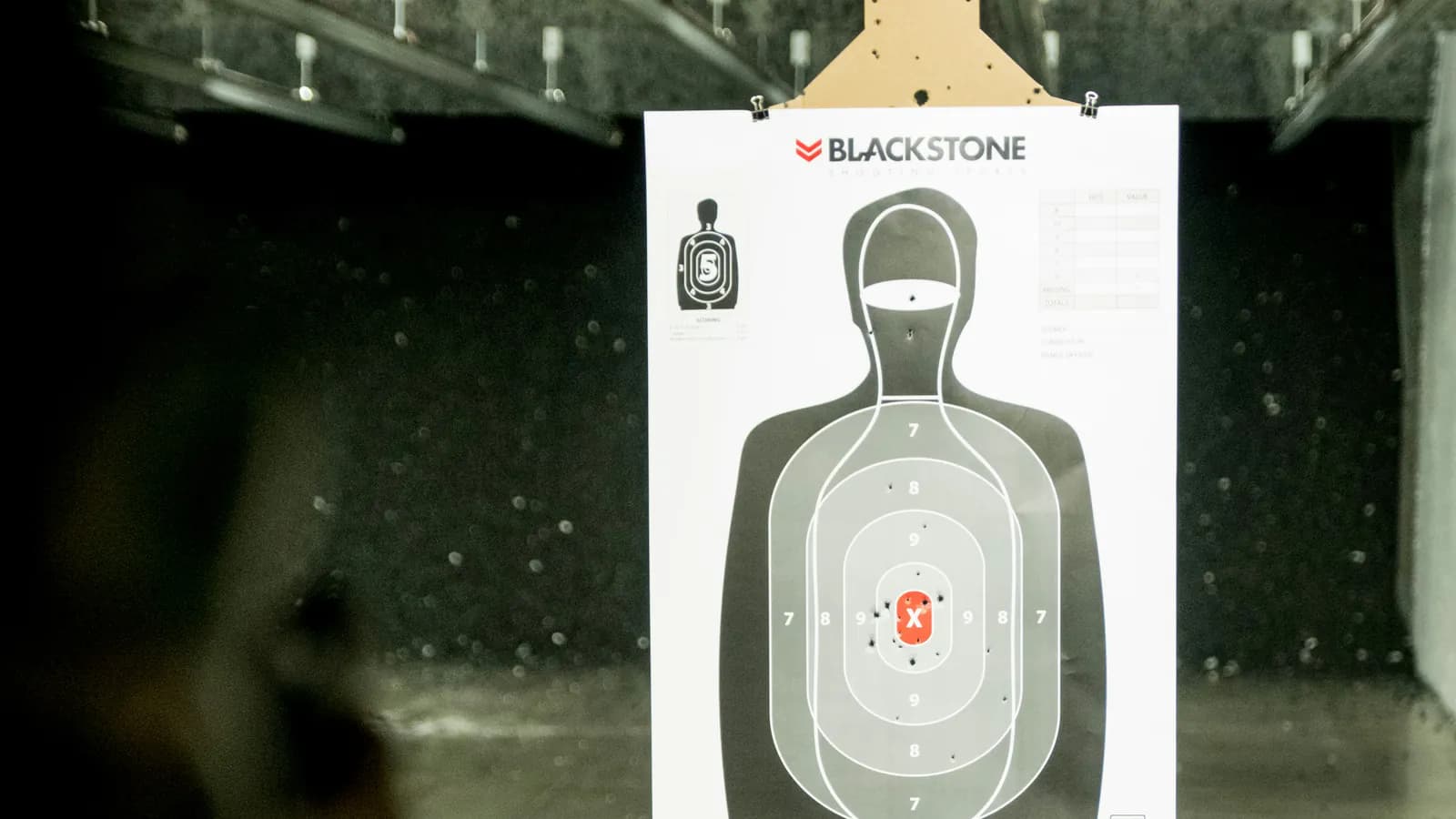
Zeroing
Zeroing Distances Explained: 10, 25, 36, 50, and 100 Yards
A reference on which zero distance to pick, for pistols and rifles. What each one is for, where the bullet crosses, who it suits, and how each one fails.
Read the article
Age verification
Outlaw Valley Tactical sells optics and accessories intended for adults. You must confirm that you are 18 or older to enter this site.
By entering you agree to our Terms of Service and Privacy Policy.
NEW PRODUCTS ADDED!
Lumens sell lights. Candela is what actually reaches the far end of the hallway. Here is the difference, plus runtime, switching, and getting it mounted properly.
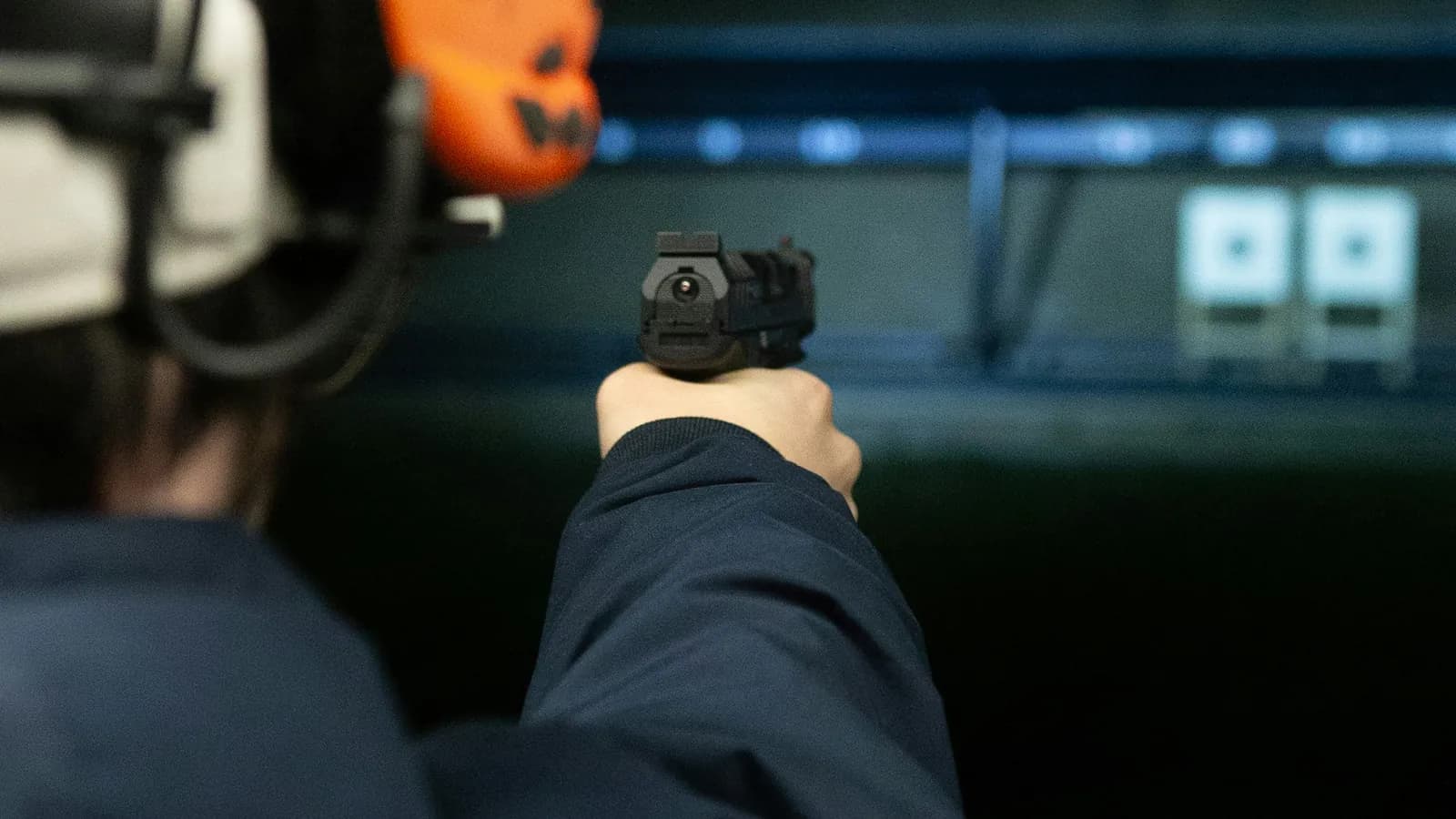
Every weapon light on the shelf leads with a lumen number, because lumens are the number people know. It is also the number that tells you the least about whether the light will do what you need. The spec that matters more is candela, and most shoppers have never heard of it.
Lumens measure total light output. Think of it as how much light the emitter produces in every direction combined. More lumens means more light in the room.
Candela measures intensity in the center of the beam. Think of it as how hard the light pushes down range. Candela is what determines how far you can see and identify.
Two lights can both claim 1,000 lumens and behave completely differently. A wide, floody 1,000 lumen light will light up a whole garage and see almost nothing at 75 yards. A tight 1,000 lumen light with high candela will reach the back fence and give you a smaller pool of usable light up close.
Neither is wrong. They are tools for different distances, and the right answer depends on the longest distance you actually need to identify at.
If a manufacturer publishes lumens but not candela, that is worth noticing.
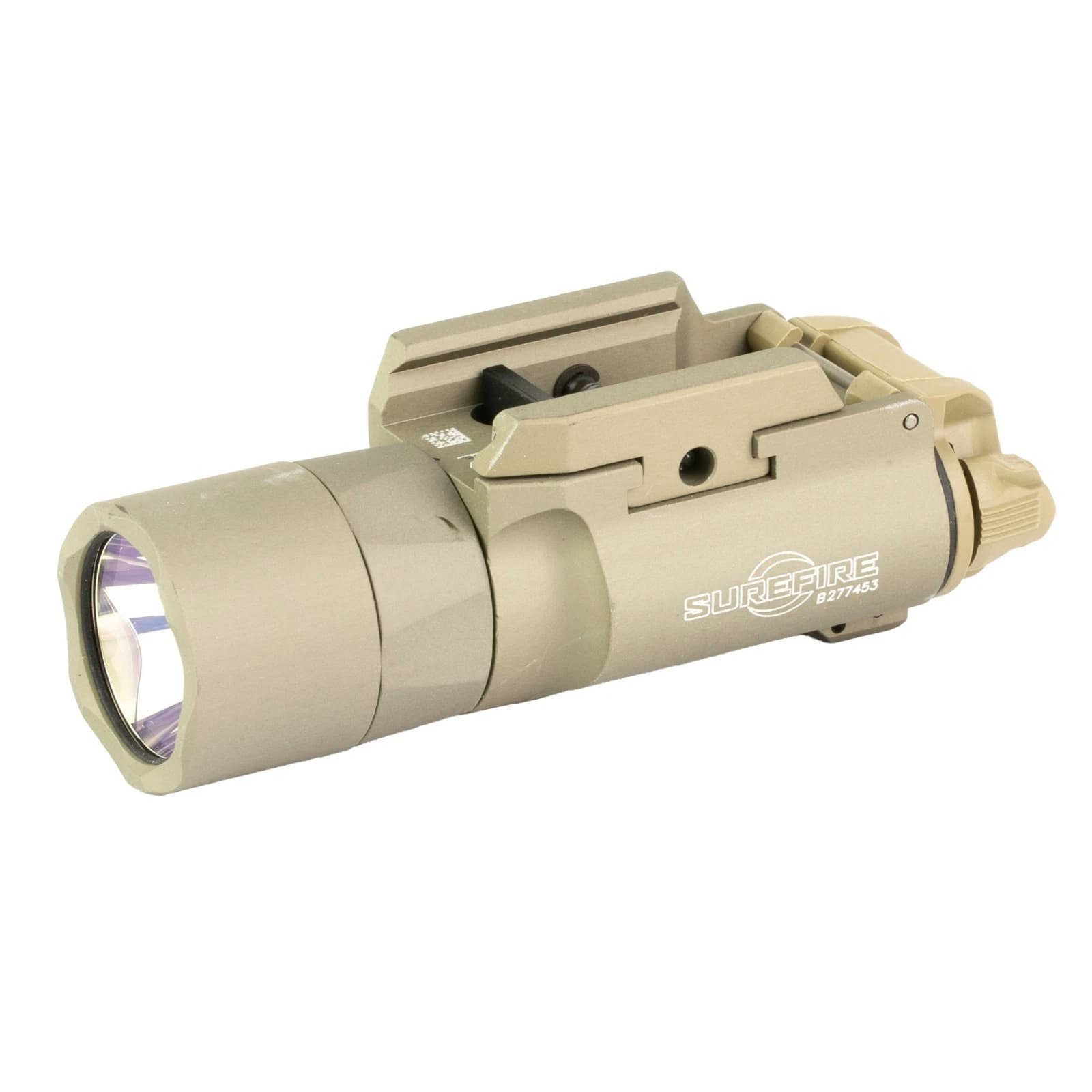
Lights & Lasers
Surefire X300 Turbo- B LED Pistol Light, 650 Lumens, 66,000 Candela X300T-B-TN
$359.99
Runtime figures are usually quoted at full output, and many lights step down after a couple of minutes to manage heat. That is normal and sensible, but it means the number on the box is not the number you get.
Whatever you pick, put a fresh battery in on a schedule you can remember, not when the light starts looking dim. A defensive light gets used once, unexpectedly, after sitting untouched for a year.
The best light in the world is useless if you cannot turn it on under stress without changing your grip.
Mounting is where a good light becomes a bad experience. Three things to get right:
The short version
Buy for the distance you actually need to identify at. Indoors, 500 to 1,000 lumens with moderate candela. Outdoors, chase candela. Then check the switch works with your grip, and torque the mount to spec.
Current stock is in lights and lasers, mounting hardware is in mounts, and if you are assembling a defensive setup from scratch, start with the beginner handgun setup guide.
Using a light well under pressure is a trained skill, not an instinct. Working a light into your draw and your movement is one of the things our lessons cover.
Keep reading
A reference on which zero distance to pick, for pistols and rifles. What each one is for, where the bullet crosses, who it suits, and how each one fails.
Read the article
The questions to answer before you spend anything, how the paperwork actually works, what ships to your door versus to a dealer, and what to do in the first month after you buy.
Read the articleThe highest return training available costs nothing and takes ten minutes. Here is the safety protocol that has to come first, then the drills that actually build skill.
Read the article