Zeroing
Zeroing Distances Explained: 10, 25, 36, 50, and 100 Yards
A reference on which zero distance to pick, for pistols and rifles. What each one is for, where the bullet crosses, who it suits, and how each one fails.
Read the article
Age verification
Outlaw Valley Tactical sells optics and accessories intended for adults. You must confirm that you are 18 or older to enter this site.
By entering you agree to our Terms of Service and Privacy Policy.
NEW PRODUCTS ADDED!
The difference between a cheap optic and an expensive one is rarely the picture on a sunny day. It is what happens after a thousand rounds, a hard knock, and a cold morning. Here is what the money actually buys.
Put a budget optic and a duty grade optic side by side on a bright range at noon and most people cannot tell them apart. Both have a reticle. Both hold a zero if you do not touch them. The picture through the cheap one looks, honestly, pretty good.
The difference shows up at first light, after the rifle got dropped, on the third time you dialed back to your zero, and when you needed the thing to work and nobody was around to fix it. That is what the money actually buys, and it is worth understanding before you spend any of it.
Everyone talks about glass, and glass matters, but not in the way most people mean. Raw lens clarity is the smaller part. The larger part is the coatings: multiple layers applied to every air to glass surface to control reflection and transmit more light.
A well coated optic transmits more of the available light to your eye, which is why it stays usable in the first and last thirty minutes of the day when a cheaper unit has gone dim and washed out. Good coatings also control flare and chromatic aberration, so a low sun does not turn the whole picture milky. You notice all of it most in exactly the conditions that matter most.
This is the single largest functional difference between tiers, and the one most buyers never test.
Dial ten clicks up and a good optic moves the point of impact by exactly ten clicks worth. Dial back down and it returns exactly where it was. That sounds like a basic requirement. It is not. Turrets rely on precisely machined threads, a properly tensioned erector assembly, and a spring that returns to the same place every time, and all three cost money to do well.
A cheap turret may move eight clicks worth when you asked for ten, or track correctly going up and stick going down, or drift after a few days of vibration in a truck. If you never dial and just hold over, you may never know. If you dial for distance, this is the whole ballgame.
Optics are sealed and filled with a dry inert gas (nitrogen or argon) so that the interior cannot fog when the outside temperature changes fast. Every tier claims to do this. The difference is in the quality of the seals, whether the purge actually removed the moisture, and whether the seals stay good after the optic has been heat cycled a few hundred times.
A fogged optic is not a cosmetic problem. Internal fog condenses on surfaces you cannot reach and the optic is done.
A scope is a delicate assembly of lenses and springs bolted to a machine that violently accelerates several times a second. Duty grade optics use heavier internal components, better bonded lenses, and housings machined from a single piece rather than assembled from several, then get tested by being shot, dropped, and abused deliberately.
Budget optics are usually built to survive normal recoil. The gap shows up in abnormal events: the rifle falling off a bench, a hard bump against a door frame, a case that gets thrown in a truck bed.
This one is underrated. At the budget tier the average unit may be genuinely decent, but the spread is wide. Two identical models off the same shelf can perform noticeably differently, and some percentage arrive with a problem. That is why budget optic reviews contradict each other so violently. Both reviewers are telling the truth about the unit they got.
What you pay for at the top tier is a narrow spread. Every unit performs like every other unit, because tolerances were tighter and more units got rejected.
Every optic in every tier now advertises a lifetime warranty. The words are identical. The experience is not, and we will come back to this at the end because it deserves more than a line.
What tends to be true here:

Optics
Riton Optics X1 Conquer 6-24×50 Non-Illuminated R3 SFP Rifle Scope – 1C624AS23
$213.74
This is where the value curve is steepest, and where most people should be shopping.
The honest truth is that a good mid tier optic does ninety percent of what a duty optic does for a fraction of the cost. The last ten percent is what the top tier charges for, and whether that is worth it depends entirely on what you are using it for.
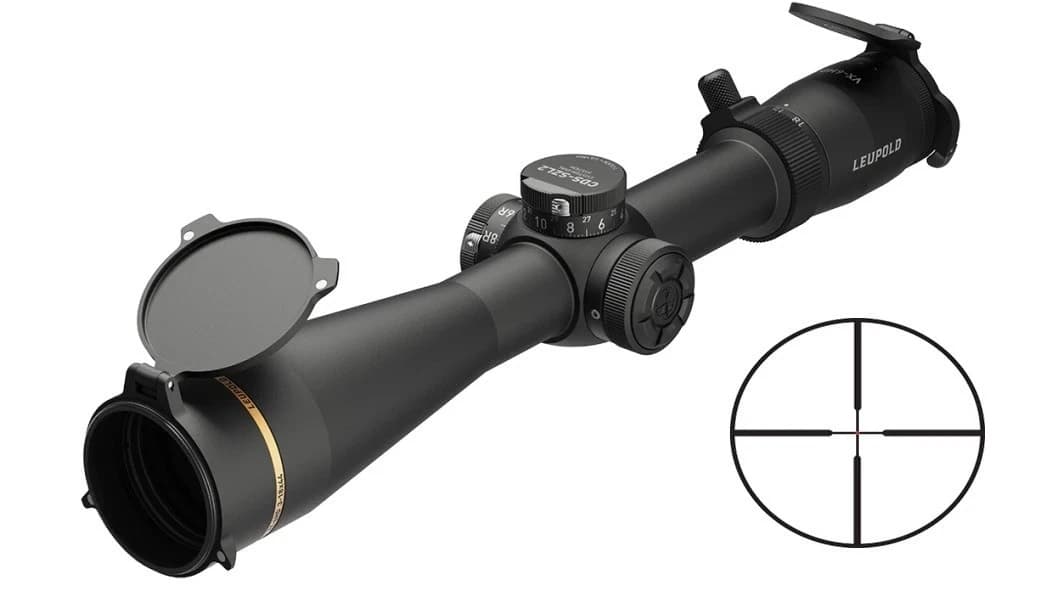
Optics
Leupold 184423 VX-6HD Gen 2 3-18×44 CDS-SZL2 Illum FireDot Duplex SFP Riflescope
$2,089.99
You do not have to take anyone at their word. Three tests reveal almost everything, and you can do the first two at any range.
If the box is a rectangle, your clicks are not the size the turret claims. If the last group is well off the first, the optic is not returning to zero. Either way you have learned something useful about what you own.
Simpler version, worth doing even if you never dial in practice. Fire a group at zero, dial well out and back, fire another. If the second group is not on the first, the optic will not be where you left it after a season of handling.
This is the one that finds bad seals. Take the optic from an air conditioned room out into summer humidity and watch the interior. Exterior condensation is normal and wipes off. Interior fog means the seal or the purge failed, and it will happen again.
The short version
Money buys coatings, turret repeatability, sealing, impact durability, consistency between units, and a service relationship. If the rifle is a range toy, a budget optic is a rational choice. If you are going to trust it, buy the best you can and buy it once.
There is a lot of snobbery in this space and most of it is not useful. Budget optics are the correct answer more often than the internet suggests.
The most common path in this hobby is: buy cheap, get frustrated, buy a little better, get frustrated again, then buy the thing you should have bought at the start. Three purchases, and the first two are now in a drawer worth a fraction of what you paid.
Add up what those three cost and it is usually more than the mid tier optic that would have ended the cycle at step one. This is not an argument for buying the most expensive thing available. It is an argument for being honest about what you need first, then buying the best version of that, once. The corollary holds too: if a budget optic genuinely covers your use case, buying up does not make you a better shooter, and that money is better spent on ammunition and training.
Every optic says lifetime warranty. What that means in practice varies wildly, and the questions to ask are the same regardless of tier.
A warranty is only worth what the company behind it is willing to do when it is inconvenient for them. Reputation on that point is the most reliable signal in the entire category, and it does not appear on any spec sheet.
Have a look through optics with the tier framing above in mind, and budget for the mount at the same time. A quality optic on a poor mount performs like a poor optic, and mount torque is the most common cause of a rifle that will not hold a zero.
If you have not settled on magnification and reticle yet, start with how to choose a rifle scope. If you are still deciding between a magnified optic and a plain dot at all, that is a different question and it is covered in red dot vs LPVO.
One last thing worth saying plainly. Past the mid tier, the next meaningful improvement in your hits is almost never the optic. It is rounds fired with someone competent watching what you do. Our lessons cover exactly that, in person around Phoenix or live online.
Keep reading
A reference on which zero distance to pick, for pistols and rifles. What each one is for, where the bullet crosses, who it suits, and how each one fails.
Read the article
The questions to answer before you spend anything, how the paperwork actually works, what ships to your door versus to a dealer, and what to do in the first month after you buy.
Read the articleThe highest return training available costs nothing and takes ten minutes. Here is the safety protocol that has to come first, then the drills that actually build skill.
Read the article