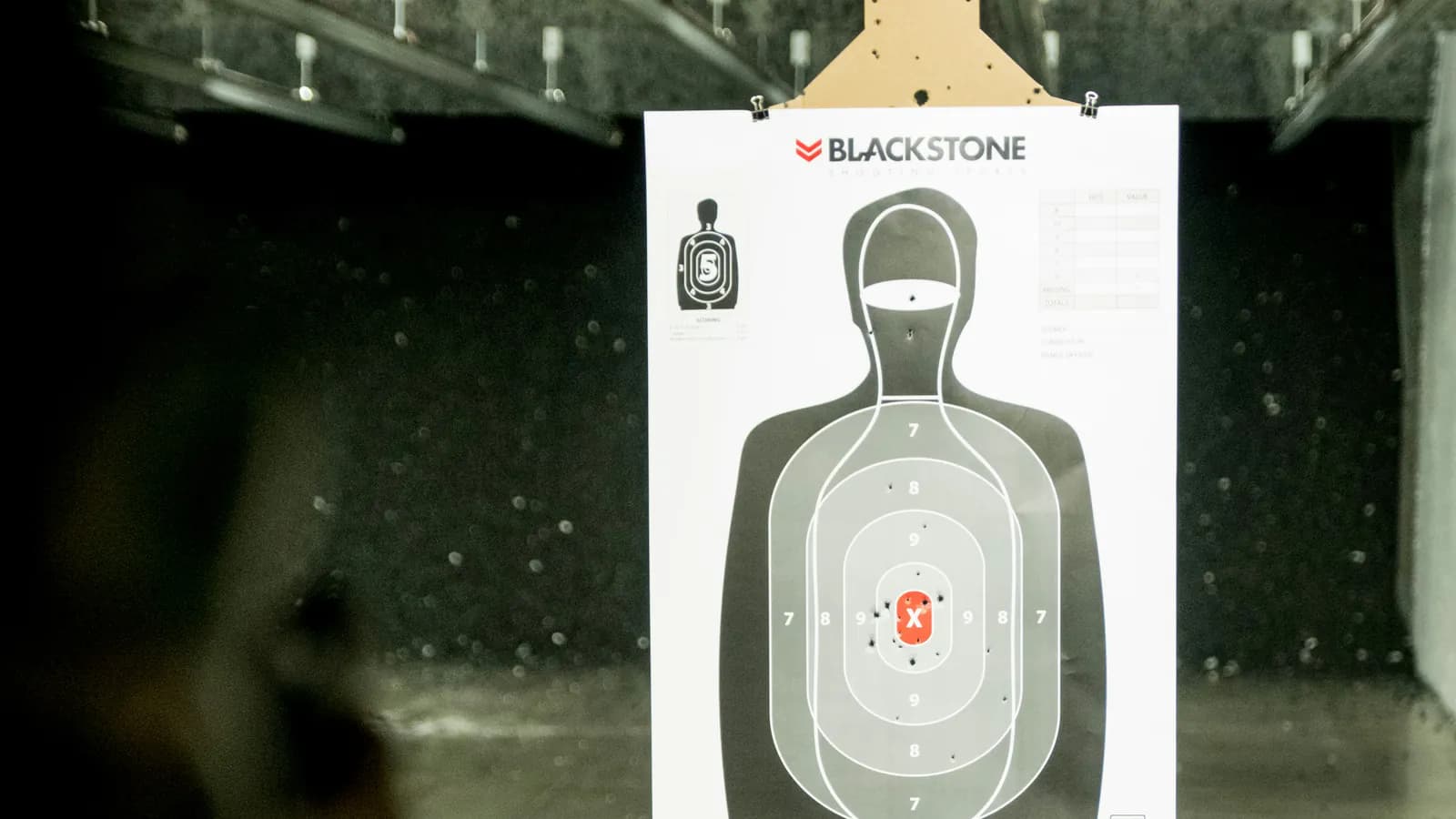
Zeroing
Zeroing Distances Explained: 10, 25, 36, 50, and 100 Yards
A reference on which zero distance to pick, for pistols and rifles. What each one is for, where the bullet crosses, who it suits, and how each one fails.
Read the article
Age verification
Outlaw Valley Tactical sells optics and accessories intended for adults. You must confirm that you are 18 or older to enter this site.
By entering you agree to our Terms of Service and Privacy Policy.
NEW PRODUCTS ADDED!
There are real weapon lights at this price and there is a lot of junk wearing the same label. Here is which compromises are fine at this budget and which ones mean you should keep saving.
The weapon light market splits cleanly around a certain price point. Above it you are buying refinement and margin. Below it you are buying a set of decisions somebody made about what to leave out. The question is not whether a light under $150 involves compromises. It does. The question is which compromises are acceptable and which ones make the light worse than no light at all.
This is a guide to shopping the tier, not a list of products. Prices and stock move constantly and a list would be wrong within a month. What follows are the things to check with the light in your hands or the spec sheet on your screen, and they will still be true next year.
At this budget, in general, you can reasonably expect:
Where the compromises usually land:
Every one of those is survivable. What follows is not.
Lumens measure total output. Candela measures how hard the beam pushes down range, and candela is what determines whether you can identify something at the far end of a hallway or the back of a yard. Budget lights lean hard on the lumen number because it is bigger and it sells.
Rough guidance for shopping: for a pistol used indoors, output in the neighborhood of 500 to 1,000 lumens with something like 10,000 to 20,000 candela covers household distances well. For a rifle used outside, candela is the number to chase and 50,000 and up starts to mean something. A budget light that publishes a strong lumen figure and no candela figure at all is telling on itself. This is covered in more depth in the weapon light buyer's guide.
A weapon light is a flashlight engineered to survive being violently accelerated several times a second. That means shock isolated emitter mounting, potted or otherwise secured electronics, and a lens that stays put. Handheld flashlights are not built for this, and a handheld with a rail clamp bolted to it is not a weapon light no matter what the listing says.
Manufacturers who did this work say so, explicitly, in the product description. Ones who did not stay quiet about it. This is the single most important filter at this price point.
You will operate this switch under stress, with a compromised grip, possibly with one hand. Whether it is any good is not a spec you can read.
Check the interface before you order, every time. Rifles are mostly M-LOK or Picatinny and plenty of lights ship with one and not the other. Pistol rails come in more than one pattern and the light has to match the frame. If you need an adapter or a better clamp, that lives in mounts, and it is a cost you should add to the budget now rather than discover later.
Your money goes further on a rifle light than on a pistol light, and it is worth knowing why.
Rifle lights at this tier are common and often genuinely good. There is more room for a bigger cell and a bigger head, the mounting problem is well solved by standard interfaces, and the switch can be a simple tail cap that works fine. If you are buying one light at this budget, a rifle light is where you get the most capability.
Pistol lights are harder. The light has to be small, has to clear the holster, has to fit a specific rail pattern, and has to have ambidextrous controls you can reach with a firing grip. All of that is engineering, and engineering is what costs money. There are honest pistol lights in this range, but the compromises bite deeper and the holster problem is real.
If you are putting a full defensive pistol together from scratch, the light is one piece of a system that includes the optic and the holster. The beginner handgun setup guide covers how those pieces fit together and what order to buy them in.
The purchase price is not the whole price.
Whatever it takes, put a fresh cell in on a calendar schedule rather than when the light looks dim. A defensive light gets used once, unexpectedly, after sitting untouched for a year. Spare cells and storage live in accessories.
This one ends more budget pistol light plans than any spec on the box. A holster for a pistol with a light must be molded for that exact pistol and that exact light. Not a similar light. Not the previous version of the same light. That combination.
Practical consequences:
The short version
At this price, accept shorter runtime, a simpler switch, and a rougher beam. Never accept a missing recoil rating, no water sealing, a mode cycle that buries constant on, or a mount that will not hold torque. Buy a rifle light here happily. Be pickier about a pistol light, and check holsters first.
There is no shame in either answer, but be honest about which situation you are in.
Buy now at this budget if the light is going on a range rifle, a truck gun, or a first defensive carbine that currently has no light at all. A working light on the gun tonight beats a better light six months from now. Almost nothing else you can add improves your ability to identify a target in the dark as much.
Save up instead if the only honest options in your budget fail one of the disqualifying tests above, if you need a pistol light and the holster support is not there, if the gun is one you carry professionally, or if you have already bought and returned a cheap light once. That last one is the tell. The second purchase should end the problem, not repeat it.
Current stock is in lights and lasers, mounting hardware and adapters are in mounts, and batteries and small parts are in accessories. If you want the full technical background on output, beam, and mounting before you decide, read the weapon light buyer's guide, and if the light is part of a first defensive pistol build, start with beginner handgun setup.
Buying the light is the easy half. Working it into your draw, using it without silhouetting yourself, and identifying before you decide anything are trained skills rather than instincts, and they are exactly what our lessons cover, in person around Phoenix or live online.
Keep reading
A reference on which zero distance to pick, for pistols and rifles. What each one is for, where the bullet crosses, who it suits, and how each one fails.
Read the article
The questions to answer before you spend anything, how the paperwork actually works, what ships to your door versus to a dealer, and what to do in the first month after you buy.
Read the articleThe highest return training available costs nothing and takes ten minutes. Here is the safety protocol that has to come first, then the drills that actually build skill.
Read the article