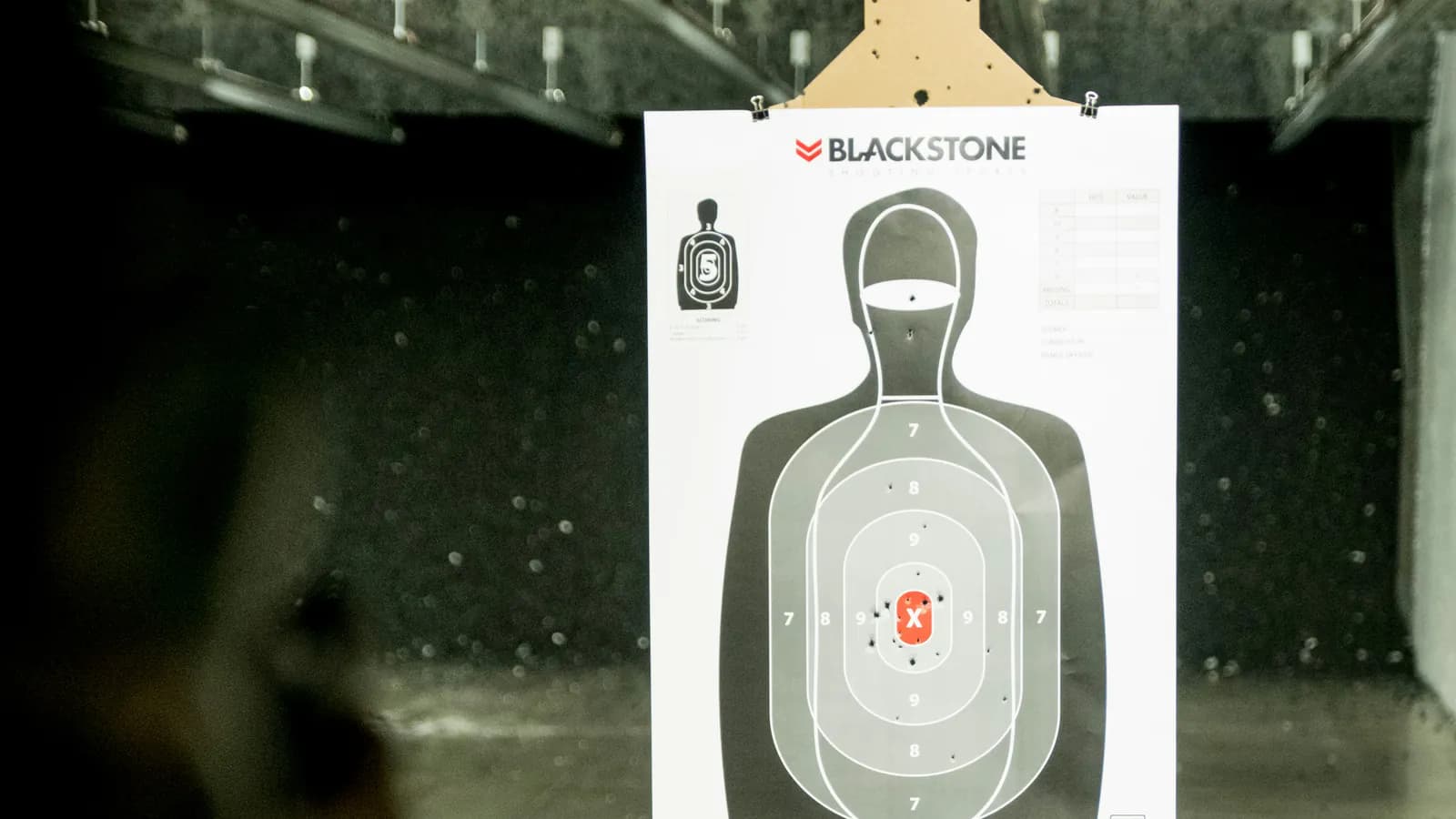
Zeroing
Zeroing Distances Explained: 10, 25, 36, 50, and 100 Yards
A reference on which zero distance to pick, for pistols and rifles. What each one is for, where the bullet crosses, who it suits, and how each one fails.
Read the article
Age verification
Outlaw Valley Tactical sells optics and accessories intended for adults. You must confirm that you are 18 or older to enter this site.
By entering you agree to our Terms of Service and Privacy Policy.
NEW PRODUCTS ADDED!
Arizona lets most adults carry concealed without a permit. Here is what that does and does not cover, and the practical reasons a lot of Arizona carriers still get the permit anyway.
Arizona is a permitless carry state. In broad terms, an adult who is at least 21 and who may lawfully possess a firearm can carry it concealed in Arizona without a permit. That has been the case since 2010, and it is the single fact most people know about carrying here.
It is also where most people stop reading, which is a mistake. Permitless carry removes the permit requirement. It does not remove the places you cannot carry, the rules that apply once you cross a state line, or your responsibility to know both.
The short version: it removes the state permit as a precondition for carrying a concealed firearm in Arizona, for people who are legally allowed to have one in the first place.
It does not change any of the following:
Arizona still issues a concealed weapons permit through the Department of Public Safety, and plenty of people who do not need one carry one anyway. The usual reasons:
The permit process runs through Arizona DPS and involves an approved training or competency component plus a background check. Requirements, fees, and renewal periods are published by DPS and are the only source worth trusting on the details.
Reciprocity means another state agrees to honor your permit. It is not symmetrical, it is not permanent, and it is not something to guess at. Two states can recognize each other today and not next year. Before any trip that crosses a state line with a firearm in the vehicle, look up the current status for every state you will drive through, not just the one you are going to. Federal law also provides limited protections for transporting an unloaded, secured firearm through a state, and those protections have conditions worth understanding before you count on them.
This is the part that catches people out, because it is the part that is specific rather than general. Without stating any of them as settled rules, the categories worth researching for yourself are:
Arizona expects you to answer accurately if a law enforcement officer asks whether you are carrying a concealed weapon (A.R.S. § 13-3102(A)(1)(b)). The practical version: keep your hands visible, tell the officer, and follow instructions. This is not a place to be clever about the exact wording of a statute.
Failing to answer accurately is a Class 1 misdemeanor, which carries up to six months in jail and a fine of up to $2,500.
Carrying legally and carrying competently are two different achievements. Arizona asks very little of you to do the first. The second is entirely on you, and it is the part that matters on the worst day.
At minimum, if you carry:
If any of that is new, that is what training is for. Our lessons cover defensive fundamentals and concealed carry in person around Phoenix and live over video, and the first session is usually mostly diagnosis.
A carry setup is a system, not a purchase. If you are still assembling yours, start with the beginner handgun setup guide, then look at pistol optics, lights and lasers, and accessories.
Keep reading
A reference on which zero distance to pick, for pistols and rifles. What each one is for, where the bullet crosses, who it suits, and how each one fails.
Read the article
The questions to answer before you spend anything, how the paperwork actually works, what ships to your door versus to a dealer, and what to do in the first month after you buy.
Read the articleThe highest return training available costs nothing and takes ten minutes. Here is the safety protocol that has to come first, then the drills that actually build skill.
Read the article